J&R Construction projects, whether residential or commercial, are intricate undertakings that require precise coordination, technical expertise, and disciplined execution. From the initial concept to the final inspection, every stage must be carefully managed to ensure that the project is completed on time, within budget, and according to quality standards. This is where general contractors play a central role. Acting as the orchestrators of the entire process, general contractors bring structure and efficiency to what would otherwise be a highly complex and potentially chaotic endeavor.
The journey begins with the planning phase, which lays the foundation for the entire project. During this stage, general contractors collaborate with clients, designers, and engineers to define the project scope, establish goals, and develop a comprehensive strategy. This involves reviewing architectural plans, assessing site conditions, and identifying potential challenges before construction begins. A well-prepared plan includes detailed timelines, cost estimates, and resource allocation, all of which are essential for guiding the project through its. Without this level of preparation, even the most straightforward construction projects can encounter significant delays and complications.
Budgeting is another critical aspect of the planning process. General contractors are responsible for creating accurate cost estimates that account for materials, labor, equipment, permits, and contingencies. This requires a deep understanding of market conditions, pricing trends, and construction methodologies. By developing a realistic budget, contractors help clients make informed decisions and avoid financial surprises later in the project. They also implement cost control measures, continuously monitoring expenses to ensure that the project remains within its financial parameters.
Once the planning phase is complete, the focus shifts to pre-construction coordination. This stage involves assembling the project team, securing permits, and finalizing schedules. General contractors select and hire subcontractors who specialize in various trades, such as plumbing, electrical work, and carpentry. Choosing the right team is crucial, as the quality of workmanship directly impacts the overall success of the project. Contractors also establish communication protocols to ensure that all parties are aligned and working toward the same objectives.
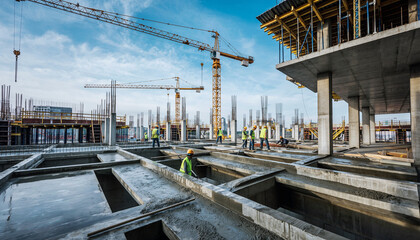
The construction phase is where the project begins to take physical shape. General contractors oversee every aspect of this stage, ensuring that work is carried out according to the approved plans and specifications. They coordinate daily activities, manage subcontractors, and address any issues that arise on-site. This requires strong leadership and problem-solving skills, as construction projects often encounter unexpected challenges, such as weather delays, material shortages, or design adjustments. By responding quickly and effectively, general contractors keep the project moving forward and minimize disruptions.
A key responsibility during construction is maintaining quality control. General contractors conduct regular inspections to verify that all work meets established standards and complies with building codes. This includes checking the accuracy of installations, ensuring that materials are used correctly, and confirming that safety protocols are followed. Quality assurance is not a one-time activity but an ongoing process that spans the entire project. By maintaining high standards at every stage, contractors ensure that the finished structure is both durable and visually appealing.
Time management is another area where general contractors add significant value. Construction projects involve multiple tasks that must be completed in a specific sequence, making scheduling a complex undertaking. General contractors develop detailed timelines that outline each phase of the project, from site preparation to final inspections. They monitor progress, adjusting schedules as needed to accommodate changes or delays. This proactive approach helps ensure that the project stays on track and is completed within the timeframe.
To better understand how general contractors manage projects effectively, consider the following core responsibilities:
Comprehensive Project Planning: Developing detailed plans that include scope definition, budgeting, scheduling, and risk assessment to create a clear roadmap for execution.
Team Coordination: Hiring and managing subcontractors while ensuring that all trades work together efficiently and without conflict.
Resource Management: Overseeing the procurement and delivery of materials and labor to maintain steady progress.
Compliance and Safety Oversight: Ensuring that all work adheres to building codes, regulations, and safety standards to protect both workers and the property.
These responsibilities highlight the multifaceted role of general contractors and their importance in delivering successful outcomes.
Communication is a cornerstone of effective project management. General contractors act as the primary point of contact between clients, subcontractors, and suppliers. They provide regular updates on progress, address concerns, and facilitate decision-making when adjustments are needed. Clear and consistent communication reduces misunderstandings and ensures that everyone involved in the project remains aligned. This transparency builds trust and helps create a collaborative working environment.
As the project progresses, general contractors also focus on risk management. Construction projects inherently involve uncertainties, from unforeseen site conditions to changes in design requirements. Contractors anticipate potential risks and develop strategies to mitigate them. This may involve adjusting schedules, reallocating resources, or implementing alternative solutions. Effective risk management not only prevents delays but also protects the project’s budget and overall integrity.
The final stages of a construction project involve finishing work and inspections. During this phase, general contractors ensure that all are completed to the highest standard. This includes installing fixtures, applying finishes, and addressing any remaining tasks. Once the work is complete, contractors conduct thorough inspections to verify that everything meets the agreed-upon specifications. They also coordinate final approvals and ensure that the project complies with all regulatory requirements.
Before handing over the completed project, general contractors often perform a walkthrough with the client. This allows the client to review the work, identify any issues, and request adjustments if necessary. Addressing these concerns promptly ensures that the final result meets expectations and reflects the original vision. This is crucial for achieving client satisfaction and ensuring a smooth transition from construction to occupancy.
To ensure a successful construction experience, general contractors rely on several best practices:
Proactive Problem-Solving: Anticipating challenges and addressing them before they escalate into major issues.
Efficient Scheduling: Maintaining a well-organized timeline that keeps all of the project aligned and on track.
Quality-Driven Approach: Prioritizing high standards of workmanship to deliver durable and reliable results.
Client Collaboration: Engaging with clients throughout the process to ensure that their needs and expectations are met.
These practices enable general contractors to deliver projects that are not only functional but also aligned with client goals.
In today’s construction industry, technology plays an increasingly important role in project management. General contractors use advanced tools such as project management software, digital blueprints, and real-time tracking systems to enhance efficiency and accuracy. These tools allow for better coordination, improved communication, and more informed decision-making. By leveraging technology, contractors can streamline and deliver higher-quality results on time.
Sustainability is another factor that general contractors integrate into their projects. Many clients are now seeking environmentally responsible construction practices, such as energy-efficient systems, sustainable materials, and waste reduction strategies. General contractors incorporate these into the planning and execution, ensuring that the project meets modern standards for sustainability while also delivering long-term cost savings.
Ultimately, the role of a general contractor extends far beyond basic oversight. They serve as the driving force behind the entire construction process, bringing together diverse teams to create a cohesive and successful project. Their expertise, leadership, and attention to detail ensure that every phase is executed with precision and professionalism.
In conclusion, general contractors play a vital role in managing construction projects from planning to completion. Through careful planning, effective coordination, and a commitment to quality, they transform complex ideas into tangible results. By overseeing every aspect of the project—from budgeting and scheduling to execution and final inspection—they provide a structured and efficient approach that benefits both residential and commercial clients. For anyone embarking on a construction project, understanding the value of a general contractor is key to achieving a smooth, successful, and rewarding building experience.