Many homeowners wonder whether pest control should only be scheduled after they notice insects or rodents inside their home. While it may seem practical to wait until pests appear, infestations often begin long before there are visible signs. By the time ants invade the kitchen, rodents are heard in the attic, or termites cause noticeable damage, the problem may already be well established. Regular residential pest control helps identify and address pest activity before it becomes a larger and more expensive issue. Understanding how often to schedule Ben’s Pest Control allows homeowners to protect their property, maintain a healthier living environment, and reduce the likelihood of recurring infestations throughout the year.
Why Is Routine Pest Control Important?
Routine pest control focuses on prevention rather than simply reacting to infestations after they occur. Homes naturally attract insects and rodents because they provide shelter, food, moisture, and protection from changing weather conditions. Once pests gain access to the property, many species reproduce quickly, making them much harder to eliminate. Regular inspections help detect early warning signs before populations become established. Preventive pest control often requires less treatment than managing a widespread infestation.
Consistent pest management also protects the home’s structure and indoor environment. Rodents may chew electrical wiring and insulation, termites can weaken wooden framing, and cockroaches may contaminate food preparation areas. Even pests that appear harmless can become a nuisance when their numbers increase. Scheduling routine pest control helps reduce these risks while supporting a cleaner and more comfortable home. Preventive maintenance often saves homeowners time and money over the long term.
How Often Should Most Homes Schedule Pest Control?
For many homes, scheduling residential pest control every three months provides reliable year-round protection. Quarterly visits allow pest management professionals to monitor seasonal pest activity, inspect for new entry points, refresh preventive treatments, and identify developing infestations before they become severe. Because different pests become active at different times of the year, regular inspections help maintain continuous protection. A consistent schedule keeps pest populations under control before they become noticeable. Quarterly service is one of the most common preventive maintenance plans.
However, every property has unique pest control needs. Homes located near wooded areas, farmland, lakes, or dense vegetation may experience higher pest activity than homes in more urban neighborhoods. Older homes with crawl spaces, aging foundations, or multiple access points may also require closer monitoring. A professional inspection helps determine whether quarterly visits are sufficient or if a more frequent schedule would provide better protection. Pest control programs should always reflect the property’s specific conditions.
What Factors Affect Pest Control Frequency?
Several factors influence how often pest control should be scheduled. The home’s location, surrounding landscape, local climate, and history of previous infestations all play important roles. Properties located in warm, humid climates often experience year-round insect activity, while colder regions may see seasonal increases as rodents and insects move indoors seeking warmth. Environmental conditions directly affect pest behavior throughout the year. Understanding these factors helps establish an appropriate maintenance schedule.
The type of pests commonly found in the area also influences treatment frequency. Homes with recurring termite activity, rodent infestations, mosquito problems, or persistent ant colonies may benefit from more frequent monitoring than properties experiencing only occasional pest activity. The construction and age of the home can also affect vulnerability because older buildings may contain additional cracks, gaps, or moisture issues that attract pests. Every home presents unique pest management challenges. Customized service plans provide the most effective protection.
Are Seasonal Pest Control Visits Enough?
Seasonal pest control visits are an effective way to prepare for changing pest activity throughout the year. During spring and summer, treatments often focus on ants, mosquitoes, flies, wasps, spiders, and other insects that become more active in warmer weather. As temperatures cool during autumn and winter, pest control efforts may shift toward preventing rodents and overwintering insects from entering the home. Adjusting treatment strategies according to seasonal behavior improves overall effectiveness. Seasonal planning strengthens long-term pest prevention.
While seasonal treatments provide valuable protection, homeowners should also remain alert between scheduled visits. Unusual pest activity, sudden increases in insects, or evidence of rodents may indicate that an additional inspection is needed before the next routine service. Prompt attention to new pest problems prevents them from developing into larger infestations. Ongoing observation complements regularly scheduled maintenance. Homeowners play an important role in successful pest prevention.
What Signs Indicate You Should Schedule Pest Control Sooner?
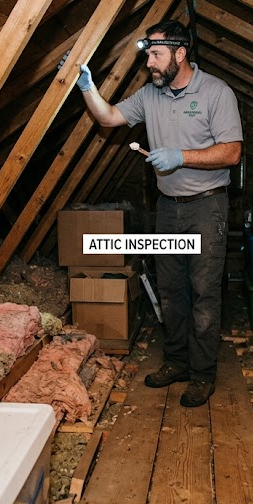
Even with a regular maintenance schedule, certain warning signs indicate that a professional inspection should be arranged as soon as possible. Droppings, nesting materials, gnaw marks, damaged food packaging, unusual insect activity, or persistent scratching noises inside walls often suggest that pests are already active within the property. These symptoms should never be ignored because many pests reproduce rapidly once they establish themselves indoors. Early intervention significantly improves treatment success. Prompt inspections reduce the likelihood of widespread infestations.
Other warning signs include unexplained odors, visible termite mud tubes, damaged wood, swarms of flying insects, recurring ant trails, or frequent sightings of cockroaches during daylight hours. Homeowners who notice these problems should not wait until their next scheduled service. Immediate evaluation helps determine the cause of the activity and allows treatment to begin before additional damage occurs. Addressing problems early often reduces both repair costs and treatment complexity. Quick action protects the home more effectively.
How Can Homeowners Help Between Pest Control Visits?
Professional pest control works best when combined with good household maintenance throughout the year. Keeping kitchens clean, storing food in sealed containers, removing garbage regularly, and eliminating standing water all reduce conditions that attract insects and rodents. Repairing plumbing leaks and maintaining proper ventilation also help reduce moisture that many pests depend upon for survival. Simple housekeeping habits strengthen every professional pest control program. Daily routines support long-term prevention.
Exterior maintenance also plays an important role between scheduled pest control visits. Sealing foundation cracks, repairing damaged weather stripping, trimming shrubs away from the home’s exterior, and storing firewood away from the foundation reduce opportunities for pests to enter the building. Regularly inspecting the property for signs of pest activity allows homeowners to identify potential problems early. Preventive maintenance creates a less inviting environment for unwanted pests. Consistent care supports better long-term results.
Is Regular Pest Control Worth the Investment?
Many homeowners view regular pest control as a preventive investment rather than an occasional expense. Treating small pest problems before they become serious infestations often costs less than repairing structural damage, replacing contaminated materials, or addressing repeated pest outbreaks. Preventive inspections also provide peace of mind by identifying developing issues before they become emergencies. Long-term maintenance helps protect both the home and its value. Prevention often delivers greater financial benefits over time.
Routine residential pest control also contributes to a cleaner and healthier living environment. Reducing pest populations lowers the risk of food contamination, unpleasant odors, allergens, and damage caused by insects or rodents. Families can enjoy greater comfort knowing their home receives ongoing protection throughout the year. A proactive approach reduces stress while improving overall household safety. Consistent pest management benefits homeowners in many different ways.
Final Thoughts
How often you should schedule pest control for your home depends on several factors, including the property’s location, history of pest activity, surrounding environment, and seasonal conditions. For many homeowners, quarterly residential pest control provides dependable year-round protection, while others may benefit from more frequent inspections depending on their specific circumstances. Combining regular professional service with preventive home maintenance and prompt attention to warning signs creates the strongest defense against unwanted pests. By maintaining a proactive pest control schedule, homeowners can protect their property, reduce future repair costs, and enjoy a cleaner, healthier, and more comfortable home throughout every season.