Category: Water Damage Restoration

How Soon Can Repairs Begin After Water Damage?

When a sudden leak or flood turns your home into a swimming pool, you need to take action right away. Immediate restoration reduces damages and keeps follow-on issues like mold growth and structural decay at bay. The process involves a few phases that work together to get your property back to normal. Here’s how long it typically takes from start to finish:

Emergency Response
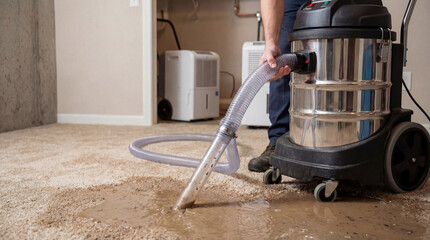
Water Damage

Salt Lake City Water Damage can occur at any time and is always a race against the clock. Within 24 hours, mold can start to grow, and structural materials can begin to rot or warp. Reacting quickly mitigates these risks and saves money on costly repairs later.

The first step in responding to water damage is assessing the severity and source of the problem. Professional water damage restoration experts can identify sources of moisture and provide recommendations for remediation. This process may involve removing damaged materials, cleaning affected surfaces, and installing drying systems. Moisture that remains in walls, floors, and insulation can lead to long-term problems.

Once the area is inspected, it must be dried and dehumidified. This can be done using commercial-grade dehumidifiers and fans, along with regular monitoring of moisture levels. Dehumidification is especially important for hard-to-reach areas like behind cabinets and under floorboards.

After the area is dry, it must be disinfected and sanitized. This process removes bacteria, viruses, and other contaminants that may be present in contaminated water. This process is important for protecting human health and ensuring that all areas are thoroughly cleaned before repairs are made.

Water damage emergencies can occur at any time, so it’s a good idea to be prepared by having an emergency response plan. Knowing who to call and what supplies to have on hand can reduce stress during a crisis. Keep a list of essential contacts, including plumbers and electricians, and store it in multiple places, such as on your phone or in a visible spot at home. Keeping a basic toolkit with items like tarps, buckets, and a wet/dry vacuum can also speed up the response time.

Inspection and Assessment

The initial inspection and assessment are critical for safe and effective recovery. Professionals address safety hazards, turn off power if necessary, and check the structural integrity of affected areas. They also identify the water source and assess how much moisture is present. Homeowners can help expedite the process by opening windows and doors to improve ventilation, removing excess water with towels or wet/dry vacuums, and documenting the damage for insurance claims.

Detailed moisture mapping and specialized equipment reveal hidden pockets of water that aren’t visible to the naked eye. This data shapes a tailored restoration approach. For example, clean water from supply lines requires different treatment than contaminated black water from sewer backups.

Stagnant water fosters mold and mildew, which can trigger respiratory problems. It also weakens building materials over time, posing a structural risk.

Immediate professional intervention mitigates these risks and reduces recovery costs. By acting quickly, water damage remains confined to surface materials, rather than penetrating deep into drywall and insulation.

The next steps are to remove all standing water, dry and dehumidify the remaining materials, and disinfect surfaces and contents. This can take three to five days, depending on the extent of the damage and the size of the affected area. Professionals can then begin to repair and restore the property. If the property requires significant reconstruction, it may take weeks or even months. By understanding the recovery timeline, homeowners can have realistic expectations about when their homes will return to normal.

Water Extraction

If your home experiences a water disaster, you need to act fast. The longer water is allowed to soak into the property, the more damage it causes and the more expensive repairs will be. Water damage restoration professionals can help minimize long-term complications.

The first step is an inspection and assessment of the affected areas. Professionals look at the amount of water, categorize it as clean, gray, or black water, and assess structural risks. They also use tools like moisture meters and infrared cameras to spot hidden pockets of water that aren’t immediately apparent.

Once the inspection is complete, water extraction begins. Professionals use industrial-grade pumps and vacuums to remove bulk water from the property as quickly as possible. This may take a few hours for small areas and minor flooding, but large-scale extractions can be more time-consuming. It’s important to move items away from the water, shut off power to appliances, and keep access points clear for restoration technicians.

Extraction is critical because it prevents secondary damage, such as mold growth, warping, and rot. It also accelerates drying and reduces the need for costly renovations. It’s also an important part of preparing insurance claims.

If you decide to tackle water damage cleanup yourself, it’s essential to understand the process and avoid common mistakes. Using household tools on larger-scale jobs can lead to additional damage, prolong the drying process, and increase your cost. It’s also important to know the difference between water mitigation and water extraction. Water mitigation refers to stopping further damage, while water extraction is the removal of visible and invisible water from a property. Water mitigation is vital to avoiding issues like structural weakening, mold, and odors.

Structural Drying

The structural drying process removes moisture from building materials to prevent damage and restore a safe environment. This is one of the most important steps in water damage restoration, as it ensures that all affected materials are dry before moving on to repair and reconstruction work. In addition, a successful structural drying process prevents the creation of hidden moisture pockets in walls and floors that can lead to mold or mildew growth.

Structural drying needs to be done by a professional, using equipment like moisture meters and thermal imaging cameras. These tools help map the full extent of moisture within a structure, shaping a targeted drying plan. Moisture meters measure surface moisture and reveal hidden pockets of wetness behind wall studs, framing, or subtle floor slopes. A qualified team can identify these issues, ensuring that all moisture is removed and that the structure is ready for repairs.

The first step in structural drying is to stop the source of water intrusion, which may involve shutting off the water supply or fixing a broken pipe. After that, standing water must be extracted quickly with pumps and wet vacuums. The faster this is done, the less damage will occur to materials. Air movers and dehumidifiers can then be strategically positioned throughout the space to maximize evaporation rates and maintain optimal relative humidity levels.

The next stage in the restoration process is to conduct a comprehensive assessment of the damage, which involves inspecting and documenting damaged materials for insurance purposes. This helps homeowners determine what can be salvaged and if repairs are necessary, helping them get back to normal more quickly. During this phase, restoration contractors will also create a repair estimate for the insurer to review and approve.

Repairs

Water damage can occur in a matter of minutes and wreak havoc on buildings, property values, and lives. Understanding the timeline for a restoration project can help you make informed decisions during stressful situations. Professional water damage repair teams implement a comprehensive process that includes assessment, water extraction, structural drying, and re-construction. Using moisture detection tools, industrial-grade drying systems, and established protocols minimizes damage and restoration timelines.

The initial water removal and drydown phase typically takes three to five days, depending on the extent of the damage. This phase is essential to prevent mold growth and other secondary damage. During this stage, professionals remove and dispose of unsalvageable materials, promote airflow, use high-powered fans to reduce humidity levels, and monitor for moisture.

Structural repairs and reconstruction return affected areas to their pre-storm condition or better. This includes repairing or replacing damaged materials like drywall, insulation, and flooring, as well as finishing details like painting and deodorization. The duration of this phase depends on material availability, contractor scheduling, and building inspections.

The best way to control the restoration timeline is to take proactive action when disaster strikes. Turning off the water supply, evacuating the area if it’s unsafe, and calling the gas company for leaks are just a few steps that can mitigate damage and accelerate the restoration process. Professional photographs and moisture assessments document the scope of damage for insurance claims, expediting the claim processing process.

Immediate professional intervention prevents most secondary damage and significantly shortens the restoration timeline. Waiting can cause significant additional damage, requiring extensive reconstruction and creating health risks from mold. A quality restoration team balances urgency with due diligence, ensuring that permanent repairs meet industry standards and won’t require costly corrections down the line.
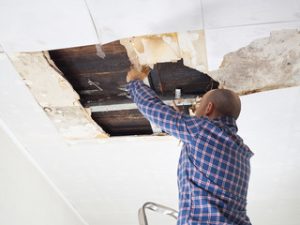
Preventing Secondary Damage After a Flood or Major Leak

When a flood or major leak strikes, the initial wave of destruction is often obvious—standing water, soaked carpets, damaged furniture, and stained walls. However, what many property owners underestimate is the risk of secondary damage. Once the visible water is removed, hidden moisture can continue to deteriorate building materials, encourage mold growth, weaken structural components, and create long-term indoor air quality issues. In many cases, secondary damage ends up costing more than the original incident itself.

Preventing secondary damage after a flood or major leak requires immediate action, strategic drying, professional Restore Draper assessment, and consistent monitoring. The goal is not just to clean up the mess but to eliminate moisture and stabilize the property before deeper problems develop. Acting quickly and methodically can significantly reduce restoration costs, shorten recovery time, and protect long-term property value.

water damage

Understanding Secondary Water Damage

Primary damage from a flood or leak includes visible water accumulation and direct contact with surfaces. Secondary damage occurs when moisture remains trapped in porous materials, hidden cavities, or structural components. Water has a natural tendency to spread horizontally and vertically, seeping into drywall, insulation, subflooring, framing, and even electrical systems.

Over time, this trapped moisture leads to:

  • Warped wood and flooring
  • Deteriorating drywall and insulation
  • Corrosion of metal components
  • Electrical hazards
  • Mold and mildew growth

The key difference between primary and secondary damage is timing. Primary damage happens immediately. Secondary damage develops gradually—often within 24 to 72 hours—making swift action essential.


Act Fast: The First 24 to 48 Hours Matter Most

The first two days after a flood or major leak are critical. Mold spores can begin growing within 24 hours in damp environments. Wood begins to swell and warp. Drywall weakens as it absorbs moisture. The longer water sits, the more invasive the damage becomes.

Property owners should prioritize the following steps immediately:

  1. Remove Standing Water Quickly
    Use pumps, wet vacuums, or professional extraction equipment to eliminate pooled water before it soaks deeper into building materials.
  2. Improve Air Circulation
    Open windows if the weather permits and use fans to promote airflow, which helps accelerate evaporation.
  3. Reduce Indoor Humidity
    Deploy dehumidifiers to remove moisture from the air and prevent condensation from settling back into surfaces.

Taking rapid action limits how far moisture can spread and reduces the risk of hidden damage.


Professional Moisture Detection Is Critical

One of the biggest mistakes property owners make is assuming that if a surface feels dry, the job is done. In reality, moisture can remain trapped behind walls, beneath flooring, and inside insulation. These hidden pockets of dampness are breeding grounds for mold and structural deterioration.

Professional water damage restoration services use advanced moisture detection tools such as thermal imaging cameras and moisture meters. These tools identify areas where water has migrated beyond visible surfaces. Detecting and addressing hidden moisture prevents long-term complications.

Without proper moisture mapping, secondary damage may remain undetected until signs such as peeling paint, musty odors, or warped flooring appear weeks later.


Remove and Replace Saturated Materials

Certain materials cannot be effectively dried once saturated. Porous materials such as insulation, carpeting, padding, and some types of drywall often need to be removed to prevent microbial growth and structural weakening.

When evaluating materials after a flood or leak, consider:

  1. Absorption Level
    Highly porous materials absorb water quickly and retain moisture for extended periods.
  2. Contamination Risk
    If floodwater contains debris or contaminants, affected materials may not be salvageable.
  3. Structural Integrity
    Warped or deteriorated materials may no longer provide adequate support.

Removing compromised materials early reduces the risk of mold infestation and long-term structural damage.


Drying Structural Components Thoroughly

Even after visible water is gone and damaged materials are removed, structural components such as wooden beams and concrete foundations may still retain moisture. Thorough structural drying is essential to prevent warping, cracking, and rot.

Industrial-grade air movers and dehumidifiers work together to extract deep-seated moisture. Drying equipment must remain in place long enough to achieve stable moisture readings that align with safe standards. Cutting this process short can allow residual moisture to cause gradual damage over time.

Monitoring moisture levels daily ensures that drying efforts are progressing effectively.


Preventing Mold Growth After Water Damage

Mold prevention is one of the most important aspects of avoiding secondary damage. Mold spores are naturally present in indoor environments, but they require moisture to thrive. Eliminating moisture is the most effective defense against mold development.

In addition to thorough drying, property owners should:

  • Apply antimicrobial treatments where appropriate.
  • Maintain proper ventilation in affected areas.
  • Continue using dehumidifiers until humidity levels stabilize.

If mold growth is already visible or suspected, professional remediation may be necessary to prevent it from spreading to unaffected areas.


Addressing Odors and Indoor Air Quality

Floodwater and prolonged dampness often leave behind unpleasant odors. These odors can signal hidden moisture or microbial growth. Simply masking smells with air fresheners does not resolve the underlying issue.

Air scrubbers and filtration systems can help remove airborne contaminants and improve indoor air quality. Cleaning and sanitizing surfaces further eliminates odor-causing bacteria. Maintaining a dry environment after cleanup prevents musty smells from returning.

Indoor air quality plays a significant role in overall health and comfort, making odor control an important component of secondary damage prevention.


Electrical and HVAC System Inspections

Water exposure can compromise electrical wiring and HVAC systems. Even if these systems appear functional, hidden moisture may cause corrosion or insulation breakdown over time.

Professional inspection ensures that:

  1. Electrical Systems Are Safe
    Water-damaged outlets, wiring, and panels are repaired or replaced to prevent hazards.
  2. HVAC Components Are Dry and Clean
    Ductwork and air handlers are checked for moisture to avoid spreading contaminants throughout the property.

Ignoring these systems increases the risk of future malfunctions and safety concerns.


Monitoring for Delayed Signs of Damage

Secondary damage does not always appear immediately. Weeks after a flood or major leak, property owners should remain vigilant for warning signs such as:

  • Bubbling or peeling paint
  • Soft spots in the flooring
  • Musty odors
  • Visible mold spots
  • Cracks in drywall

Regular inspections during the recovery period help catch emerging problems before they escalate.


Working with Restoration Professionals

While minor leaks may be manageable with household tools, significant flooding requires professional expertise. Water damage restoration specialists understand how to prevent secondary damage by combining moisture detection, structural drying, sanitation, and repair services.

Their comprehensive approach includes:

  • Detailed damage assessment
  • Advanced water extraction
  • Targeted drying strategies
  • Mold prevention treatments
  • Structural repairs

Professional intervention reduces uncertainty and ensures that hidden risks are addressed thoroughly.


The Long-Term Financial Impact of Secondary Damage

Failing to prevent secondary damage can lead to substantial long-term costs. What begins as a manageable leak may evolve into structural repairs, mold remediation, flooring replacement, and even foundation work. Insurance policies may also limit coverage for damage resulting from delayed mitigation.

By acting quickly and investing in proper restoration, property owners can minimize financial strain and protect their property value. Prevention is far more cost-effective than extensive reconstruction.


Building a Prevention Mindset

The best way to avoid secondary damage is to approach water incidents with urgency and thoroughness. Treat every flood or major leak as a serious event, even if the initial damage appears minor. Moisture spreads quickly and silently, making proactive action essential.

Establishing a prevention mindset involves:

  1. Responding Immediately to Water Intrusion
    Delays increase damage severity.
  2. Using Professional Tools and Expertise
    Accurate moisture detection prevents hidden problems.
  3. Monitoring Conditions After Restoration
    Ongoing vigilance ensures long-term stability.

Consistency and attentiveness protect both property and peace of mind.


Acting Now Prevents Bigger Problems Later

Floods and major leaks can disrupt daily life and cause visible destruction, but the greater threat often lies in secondary damage. Trapped moisture, mold growth, structural weakening, and air quality issues can develop rapidly if not addressed properly.

Preventing secondary damage after a flood or major leak requires swift action, comprehensive drying, professional assessment, and continued monitoring. By removing water quickly, replacing saturated materials, stabilizing humidity levels, and inspecting critical systems, property owners can significantly reduce the risk of long-term complications.

Water damage recovery is not complete when surfaces appear dry—it’s complete when hidden moisture is eliminated, and the property is fully stabilized. Taking a proactive and thorough approach ensures that today’s emergency does not become tomorrow’s costly renovation.

Navigation