
Author: Cassius Pena

Kitchen Cabinet Refinishing: A Complete Guide to Transforming Your Kitchen Without Replacement

Cabinet Refinishing

The kitchen is often the heart of a home, a place where meals are prepared, conversations happen, and daily life unfolds. Over time, even a well loved kitchen can start to feel outdated. Cabinets may show signs of wear, colors may fade, and styles may no longer reflect your taste. While a full renovation might seem like the solution, it is not always necessary. Kitchen Cabinet Refinishing San Jose CA offers a practical and effective way to refresh your space without the cost and disruption of replacing everything.

Refinishing kitchen cabinets allows you to transform the look of your kitchen while keeping the existing structure intact. It is a process that combines restoration and design, giving you the opportunity to create a space that feels new, functional, and visually appealing.

What Is Kitchen Cabinet Refinishing

Kitchen cabinet refinishing is the process of updating the exterior surfaces of cabinets without removing or replacing them. It focuses on restoring or changing the finish to improve both appearance and durability.

The process typically includes cleaning, sanding, repairing, and applying a new finish such as paint, stain, or a protective coating. This approach keeps the cabinet boxes in place while giving them a refreshed look.

Refinishing is ideal when cabinets are structurally sound but visually outdated. It provides a significant transformation without the need for major construction.

By preserving the original framework, refinishing offers a balance between cost savings and visual impact.

Benefits of Refinishing Kitchen Cabinets

One of the most appealing benefits of kitchen cabinet refinishing is affordability. Compared to full cabinet replacement, refinishing requires fewer materials and less labor, making it a more budget friendly option.

Time efficiency is another advantage. Refinishing projects can often be completed within a few days, while full renovations may take weeks. This means less disruption to your daily routine.

Refinishing is also an environmentally conscious choice. By reusing existing cabinets, it reduces waste and minimizes the need for new materials.

In addition, refinishing allows for customization. You can choose colors, finishes, and styles that match your preferences and complement the rest of your kitchen.

These benefits make refinishing a popular choice for homeowners looking to upgrade their kitchen efficiently.

The Kitchen Cabinet Refinishing Process

The refinishing process involves several steps, each designed to ensure a high quality and durable result. It begins with thorough cleaning to remove grease, dirt, and residue that can affect adhesion.

Next, the cabinets are sanded to remove the existing finish and create a smooth surface. This step is essential for allowing the new finish to bond properly.

Any imperfections, such as scratches or dents, are then repaired. This ensures a uniform surface and improves the final appearance.

After preparation, the chosen finish is applied. This could be paint for a modern look or stain to highlight the natural wood grain. Multiple coats are often used to achieve consistent coverage.

Finally, a protective topcoat is added to seal the surface and enhance durability. This helps protect the cabinets from moisture, wear, and daily use.

Each step plays a crucial role in achieving a professional and long lasting finish.

Popular Refinishing Options for Kitchen Cabinets

There are several refinishing options available, each offering a unique look and feel. Painting is one of the most common choices, providing a clean and modern appearance with a wide range of color options.

Staining is another option that enhances the natural beauty of wood. It highlights the grain and creates a warm, classic look.

Glazing can be added to create depth and dimension, giving cabinets a more detailed and decorative appearance. This technique is often used in traditional designs.

Clear coating is a simpler option that refreshes the existing finish while adding protection. It is ideal for cabinets that are already in good condition.

Choosing the right option depends on your design goals and the condition of your cabinets.

When Kitchen Cabinet Refinishing Is the Right Choice

Refinishing is best suited for cabinets that are structurally sound and functional. If the layout of your kitchen works well and the cabinets are not damaged, refinishing can provide a significant upgrade.

It is also a great option for those who want to update the style or color of their kitchen without changing its layout. Refinishing allows for a fresh look while maintaining the existing design.

However, if cabinets are severely damaged, warped, or poorly constructed, replacement may be necessary. Structural issues cannot be resolved through refinishing alone.

Understanding when refinishing is appropriate helps ensure that the results meet your expectations.

Maintenance of Refinished Kitchen Cabinets

Proper maintenance is essential for preserving the appearance and durability of refinished cabinets. Regular cleaning with mild products helps prevent the buildup of grease and dirt.

Using soft cloths and avoiding abrasive cleaners protects the finish from damage. Gentle handling of cabinet doors and drawers also reduces wear over time.

Periodic inspections can help identify minor issues such as chips or scratches. Addressing these early helps maintain the overall look and prevents further damage.

With proper care, refinished kitchen cabinets can remain attractive and functional for many years.

Refinishing vs Refacing vs Replacement

When updating kitchen cabinets, it is important to understand the differences between refinishing, refacing, and replacement.

Refinishing focuses on updating the surface of existing cabinets, offering a cost effective way to improve appearance.

Refacing involves replacing doors and applying new materials to visible surfaces, providing a more significant transformation at a higher cost.

Replacement is the most extensive option, allowing for a complete redesign but requiring more time and expense.

Refinishing is often the best choice for those seeking a balance between affordability and visual impact.

Final Thoughts

Kitchen cabinet refinishing is a practical and effective way to transform your kitchen without the cost and disruption of a full renovation. By updating the surface and finish, it brings new life to existing cabinets while preserving their structure.

This approach offers a combination of affordability, efficiency, and design flexibility. It allows you to create a kitchen that feels fresh and modern while maintaining the functionality of your current layout.

With proper preparation, quality materials, and regular maintenance, refinished cabinets can provide long lasting beauty and value. It is a smart solution for anyone looking to enhance their kitchen in a simple yet impactful way.
How Soon Can Repairs Begin After Water Damage?

When a sudden leak or flood turns your home into a swimming pool, you need to take action right away. Immediate restoration reduces damages and keeps follow-on issues like mold growth and structural decay at bay. The process involves a few phases that work together to get your property back to normal. Here’s how long it typically takes from start to finish:

Emergency Response

Water Damage

Salt Lake City Water Damage can occur at any time and is always a race against the clock. Within 24 hours, mold can start to grow, and structural materials can begin to rot or warp. Reacting quickly mitigates these risks and saves money on costly repairs later.

The first step in responding to water damage is assessing the severity and source of the problem. Professional water damage restoration experts can identify sources of moisture and provide recommendations for remediation. This process may involve removing damaged materials, cleaning affected surfaces, and installing drying systems. Moisture that remains in walls, floors, and insulation can lead to long-term problems.

Once the area is inspected, it must be dried and dehumidified. This can be done using commercial-grade dehumidifiers and fans, along with regular monitoring of moisture levels. Dehumidification is especially important for hard-to-reach areas like behind cabinets and under floorboards.

After the area is dry, it must be disinfected and sanitized. This process removes bacteria, viruses, and other contaminants that may be present in contaminated water. This process is important for protecting human health and ensuring that all areas are thoroughly cleaned before repairs are made.

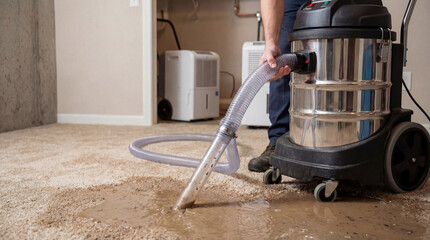
Water damage emergencies can occur at any time, so it’s a good idea to be prepared by having an emergency response plan. Knowing who to call and what supplies to have on hand can reduce stress during a crisis. Keep a list of essential contacts, including plumbers and electricians, and store it in multiple places, such as on your phone or in a visible spot at home. Keeping a basic toolkit with items like tarps, buckets, and a wet/dry vacuum can also speed up the response time.

Inspection and Assessment

The initial inspection and assessment are critical for safe and effective recovery. Professionals address safety hazards, turn off power if necessary, and check the structural integrity of affected areas. They also identify the water source and assess how much moisture is present. Homeowners can help expedite the process by opening windows and doors to improve ventilation, removing excess water with towels or wet/dry vacuums, and documenting the damage for insurance claims.

Detailed moisture mapping and specialized equipment reveal hidden pockets of water that aren’t visible to the naked eye. This data shapes a tailored restoration approach. For example, clean water from supply lines requires different treatment than contaminated black water from sewer backups.

Stagnant water fosters mold and mildew, which can trigger respiratory problems. It also weakens building materials over time, posing a structural risk.

Immediate professional intervention mitigates these risks and reduces recovery costs. By acting quickly, water damage remains confined to surface materials, rather than penetrating deep into drywall and insulation.

The next steps are to remove all standing water, dry and dehumidify the remaining materials, and disinfect surfaces and contents. This can take three to five days, depending on the extent of the damage and the size of the affected area. Professionals can then begin to repair and restore the property. If the property requires significant reconstruction, it may take weeks or even months. By understanding the recovery timeline, homeowners can have realistic expectations about when their homes will return to normal.

Water Extraction

If your home experiences a water disaster, you need to act fast. The longer water is allowed to soak into the property, the more damage it causes and the more expensive repairs will be. Water damage restoration professionals can help minimize long-term complications.

The first step is an inspection and assessment of the affected areas. Professionals look at the amount of water, categorize it as clean, gray, or black water, and assess structural risks. They also use tools like moisture meters and infrared cameras to spot hidden pockets of water that aren’t immediately apparent.

Once the inspection is complete, water extraction begins. Professionals use industrial-grade pumps and vacuums to remove bulk water from the property as quickly as possible. This may take a few hours for small areas and minor flooding, but large-scale extractions can be more time-consuming. It’s important to move items away from the water, shut off power to appliances, and keep access points clear for restoration technicians.

Extraction is critical because it prevents secondary damage, such as mold growth, warping, and rot. It also accelerates drying and reduces the need for costly renovations. It’s also an important part of preparing insurance claims.

If you decide to tackle water damage cleanup yourself, it’s essential to understand the process and avoid common mistakes. Using household tools on larger-scale jobs can lead to additional damage, prolong the drying process, and increase your cost. It’s also important to know the difference between water mitigation and water extraction. Water mitigation refers to stopping further damage, while water extraction is the removal of visible and invisible water from a property. Water mitigation is vital to avoiding issues like structural weakening, mold, and odors.

Structural Drying

The structural drying process removes moisture from building materials to prevent damage and restore a safe environment. This is one of the most important steps in water damage restoration, as it ensures that all affected materials are dry before moving on to repair and reconstruction work. In addition, a successful structural drying process prevents the creation of hidden moisture pockets in walls and floors that can lead to mold or mildew growth.

Structural drying needs to be done by a professional, using equipment like moisture meters and thermal imaging cameras. These tools help map the full extent of moisture within a structure, shaping a targeted drying plan. Moisture meters measure surface moisture and reveal hidden pockets of wetness behind wall studs, framing, or subtle floor slopes. A qualified team can identify these issues, ensuring that all moisture is removed and that the structure is ready for repairs.

The first step in structural drying is to stop the source of water intrusion, which may involve shutting off the water supply or fixing a broken pipe. After that, standing water must be extracted quickly with pumps and wet vacuums. The faster this is done, the less damage will occur to materials. Air movers and dehumidifiers can then be strategically positioned throughout the space to maximize evaporation rates and maintain optimal relative humidity levels.

The next stage in the restoration process is to conduct a comprehensive assessment of the damage, which involves inspecting and documenting damaged materials for insurance purposes. This helps homeowners determine what can be salvaged and if repairs are necessary, helping them get back to normal more quickly. During this phase, restoration contractors will also create a repair estimate for the insurer to review and approve.

Repairs

Water damage can occur in a matter of minutes and wreak havoc on buildings, property values, and lives. Understanding the timeline for a restoration project can help you make informed decisions during stressful situations. Professional water damage repair teams implement a comprehensive process that includes assessment, water extraction, structural drying, and re-construction. Using moisture detection tools, industrial-grade drying systems, and established protocols minimizes damage and restoration timelines.

The initial water removal and drydown phase typically takes three to five days, depending on the extent of the damage. This phase is essential to prevent mold growth and other secondary damage. During this stage, professionals remove and dispose of unsalvageable materials, promote airflow, use high-powered fans to reduce humidity levels, and monitor for moisture.

Structural repairs and reconstruction return affected areas to their pre-storm condition or better. This includes repairing or replacing damaged materials like drywall, insulation, and flooring, as well as finishing details like painting and deodorization. The duration of this phase depends on material availability, contractor scheduling, and building inspections.

The best way to control the restoration timeline is to take proactive action when disaster strikes. Turning off the water supply, evacuating the area if it’s unsafe, and calling the gas company for leaks are just a few steps that can mitigate damage and accelerate the restoration process. Professional photographs and moisture assessments document the scope of damage for insurance claims, expediting the claim processing process.

Immediate professional intervention prevents most secondary damage and significantly shortens the restoration timeline. Waiting can cause significant additional damage, requiring extensive reconstruction and creating health risks from mold. A quality restoration team balances urgency with due diligence, ensuring that permanent repairs meet industry standards and won’t require costly corrections down the line.

Electrical Services Guide: Safe, Reliable Solutions for Modern Homes and Businesses

Electrical Services

Flip a switch and the lights turn on instantly. Plug in a device and it powers up without a second thought. Turn on the air conditioning, the refrigerator, or the computer, and everything works seamlessly. Electricity has become such a natural part of daily life that it is easy to forget how complex and powerful it truly is. Behind every functioning outlet and glowing light fixture lies an intricate system that requires precision, expertise, and careful maintenance.

Professional electrical services ensure that this system operates safely, efficiently, and reliably in homes and businesses alike. Check out this website at https://www.nashelectricnc.com/ for more information.

The Importance of Professional Electrical Services

Electrical systems are not something to approach casually. They involve high voltage currents, complex wiring networks, and strict safety standards. Even a small mistake can result in serious hazards such as electrical fires, shocks, or equipment damage.

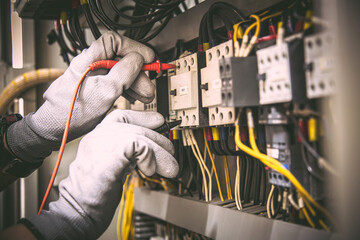
Professional electrical services provide the knowledge and training necessary to handle installations, repairs, and upgrades correctly. Licensed electricians understand building codes and safety regulations that govern electrical work. Their expertise ensures that wiring, panels, and circuits are installed and maintained according to established standards.

Beyond safety, professional electrical services support long term reliability. Poorly installed wiring or overloaded circuits may function temporarily but often lead to recurring issues. Hiring trained professionals reduces the risk of future breakdowns and costly repairs.

Electrical systems also play a key role in energy efficiency. Proper installation of lighting, appliances, and power systems helps reduce unnecessary energy consumption. With growing demand for modern technology and smart devices, dependable electrical services have become more essential than ever.

Residential Electrical Services for Everyday Comfort

In residential settings, electrical services support nearly every aspect of daily living. From powering kitchen appliances to ensuring proper lighting in living spaces, electricians play a vital role in maintaining comfort and convenience.

Common residential services include installing new outlets, upgrading electrical panels, and repairing faulty wiring. Older homes often require updates to meet modern energy demands. As households add more electronic devices, existing circuits may become overloaded. Upgrading panels and redistributing circuits ensures that the system can handle increased usage safely.

Lighting installation is another important service. Well placed lighting enhances both functionality and ambiance. Electricians can install recessed lights, ceiling fixtures, and outdoor lighting systems to improve visibility and security.

Homeowners may also require assistance with ceiling fans, surge protection systems, and backup generators. Proper installation of these features protects appliances and provides peace of mind during power outages.

Routine electrical inspections help identify potential hazards before they escalate. Addressing issues such as loose connections or worn wiring prevents larger problems and enhances overall safety.

Commercial Electrical Services for Business Operations

Commercial properties rely heavily on stable electrical systems to maintain productivity. Offices, retail spaces, warehouses, and industrial facilities all require specialized electrical services tailored to their operational needs.

Commercial electrical systems are often more complex than residential setups. They may include high capacity panels, dedicated circuits for heavy equipment, and advanced lighting systems. Professional electricians ensure that these systems are designed and maintained to support consistent performance.

Energy efficiency is particularly important in commercial environments. Upgrading to modern lighting solutions and energy efficient equipment reduces operating costs and supports sustainability goals. Electricians can assess current usage patterns and recommend improvements that enhance efficiency.

Electrical services for businesses also include emergency repairs and troubleshooting. A sudden power failure can disrupt operations and lead to financial losses. Rapid response from skilled technicians minimizes downtime and restores functionality quickly.

Regular maintenance and compliance inspections ensure that commercial properties meet safety regulations. Proper documentation of electrical systems is essential for insurance purposes and operational transparency.

Electrical Upgrades and Modern Technology

As technology continues to evolve, electrical systems must adapt to support new innovations. Modern homes and businesses increasingly incorporate smart technology, automation systems, and high powered appliances.

Electrical upgrades often include installing dedicated circuits for large appliances such as ovens, electric vehicle chargers, and HVAC systems. These additions prevent overload and maintain system stability.

Smart home technology has transformed the way people interact with their living spaces. Automated lighting, programmable thermostats, and integrated security systems require proper wiring and configuration. Electricians ensure seamless integration while maintaining safety standards.

Surge protection is another critical upgrade. Power surges can damage sensitive electronics and appliances. Installing whole house surge protection systems safeguards valuable equipment and extends its lifespan.

Panel upgrades are frequently necessary in older properties. Replacing outdated panels with modern alternatives enhances capacity and reliability. This is particularly important for properties undergoing renovations or expansions.

By investing in electrical upgrades, property owners future proof their spaces and support evolving technological needs.

Electrical Safety and Preventative Maintenance

Electrical safety should always be a top priority. Faulty wiring and neglected systems can lead to fires, electrical shocks, and equipment damage. Preventative maintenance plays a crucial role in minimizing these risks.

Routine inspections allow electricians to detect early signs of wear or damage. Identifying loose connections, frayed wires, or overloaded circuits prevents dangerous conditions from developing.

Testing smoke detectors and carbon monoxide alarms ensures that these devices function properly in emergencies. Electricians can replace outdated units and verify correct placement throughout the property.

Ground fault circuit interrupters are essential in areas exposed to moisture, such as kitchens and bathrooms. Proper installation reduces the risk of electric shock and enhances safety.

Educating property owners about safe electrical practices also contributes to prevention. Avoiding overloaded power strips, replacing damaged cords, and addressing flickering lights promptly are simple steps that make a significant difference.

Preventative maintenance not only enhances safety but also improves system longevity. Regular care reduces strain on components and supports consistent performance.

Choosing Reliable Electrical Services

Selecting a trustworthy electrical service provider is essential for achieving safe and reliable results. Experience and proper licensing are critical factors. Qualified electricians have the training required to handle complex systems and comply with safety codes.

Clear communication is equally important. Professional electricians explain the scope of work, provide transparent pricing, and answer questions thoroughly. Understanding the process builds confidence and trust.

Prompt response times are particularly valuable in emergency situations. Reliable service providers prioritize urgent repairs to restore power and prevent further complications.

Reputation also matters. Positive feedback and proven experience demonstrate consistent quality and professionalism. Building a long term relationship with a dependable electrician ensures ongoing support for future needs.

Investing in skilled electrical services protects both property and occupants. Quality workmanship today prevents costly problems tomorrow.

Conclusion: Powering Safe and Efficient Spaces

Electrical services form the foundation of modern living and business operations. From installing lighting and upgrading panels to supporting advanced technology and ensuring safety compliance, professional electricians play a vital role in maintaining dependable power systems.

By prioritizing proper installation, regular maintenance, and timely upgrades, property owners create environments that are safe, efficient, and prepared for future demands. Electricity may be invisible, but its impact is constant. Investing in expert electrical services ensures that every switch, outlet, and device functions smoothly, supporting comfort and productivity every day.

Navigation