When a flood or major leak strikes, the initial wave of destruction is often obvious—standing water, soaked carpets, damaged furniture, and stained walls. However, what many property owners underestimate is the risk of secondary damage. Once the visible water is removed, hidden moisture can continue to deteriorate building materials, encourage mold growth, weaken structural components, and create long-term indoor air quality issues. In many cases, secondary damage ends up costing more than the original incident itself.
Preventing secondary damage after a flood or major leak requires immediate action, strategic drying, professional Restore Draper assessment, and consistent monitoring. The goal is not just to clean up the mess but to eliminate moisture and stabilize the property before deeper problems develop. Acting quickly and methodically can significantly reduce restoration costs, shorten recovery time, and protect long-term property value.
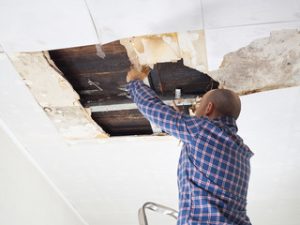
Understanding Secondary Water Damage
Primary damage from a flood or leak includes visible water accumulation and direct contact with surfaces. Secondary damage occurs when moisture remains trapped in porous materials, hidden cavities, or structural components. Water has a natural tendency to spread horizontally and vertically, seeping into drywall, insulation, subflooring, framing, and even electrical systems.
Over time, this trapped moisture leads to:
- Warped wood and flooring
- Deteriorating drywall and insulation
- Corrosion of metal components
- Electrical hazards
- Mold and mildew growth
The key difference between primary and secondary damage is timing. Primary damage happens immediately. Secondary damage develops gradually—often within 24 to 72 hours—making swift action essential.
Act Fast: The First 24 to 48 Hours Matter Most
The first two days after a flood or major leak are critical. Mold spores can begin growing within 24 hours in damp environments. Wood begins to swell and warp. Drywall weakens as it absorbs moisture. The longer water sits, the more invasive the damage becomes.
Property owners should prioritize the following steps immediately:
- Remove Standing Water Quickly
Use pumps, wet vacuums, or professional extraction equipment to eliminate pooled water before it soaks deeper into building materials. - Improve Air Circulation
Open windows if the weather permits and use fans to promote airflow, which helps accelerate evaporation. - Reduce Indoor Humidity
Deploy dehumidifiers to remove moisture from the air and prevent condensation from settling back into surfaces.
Taking rapid action limits how far moisture can spread and reduces the risk of hidden damage.
Professional Moisture Detection Is Critical
One of the biggest mistakes property owners make is assuming that if a surface feels dry, the job is done. In reality, moisture can remain trapped behind walls, beneath flooring, and inside insulation. These hidden pockets of dampness are breeding grounds for mold and structural deterioration.
Professional water damage restoration services use advanced moisture detection tools such as thermal imaging cameras and moisture meters. These tools identify areas where water has migrated beyond visible surfaces. Detecting and addressing hidden moisture prevents long-term complications.
Without proper moisture mapping, secondary damage may remain undetected until signs such as peeling paint, musty odors, or warped flooring appear weeks later.
Remove and Replace Saturated Materials
Certain materials cannot be effectively dried once saturated. Porous materials such as insulation, carpeting, padding, and some types of drywall often need to be removed to prevent microbial growth and structural weakening.
When evaluating materials after a flood or leak, consider:
- Absorption Level
Highly porous materials absorb water quickly and retain moisture for extended periods. - Contamination Risk
If floodwater contains debris or contaminants, affected materials may not be salvageable. - Structural Integrity
Warped or deteriorated materials may no longer provide adequate support.
Removing compromised materials early reduces the risk of mold infestation and long-term structural damage.
Drying Structural Components Thoroughly
Even after visible water is gone and damaged materials are removed, structural components such as wooden beams and concrete foundations may still retain moisture. Thorough structural drying is essential to prevent warping, cracking, and rot.
Industrial-grade air movers and dehumidifiers work together to extract deep-seated moisture. Drying equipment must remain in place long enough to achieve stable moisture readings that align with safe standards. Cutting this process short can allow residual moisture to cause gradual damage over time.
Monitoring moisture levels daily ensures that drying efforts are progressing effectively.
Preventing Mold Growth After Water Damage
Mold prevention is one of the most important aspects of avoiding secondary damage. Mold spores are naturally present in indoor environments, but they require moisture to thrive. Eliminating moisture is the most effective defense against mold development.
In addition to thorough drying, property owners should:
- Apply antimicrobial treatments where appropriate.
- Maintain proper ventilation in affected areas.
- Continue using dehumidifiers until humidity levels stabilize.
If mold growth is already visible or suspected, professional remediation may be necessary to prevent it from spreading to unaffected areas.
Addressing Odors and Indoor Air Quality
Floodwater and prolonged dampness often leave behind unpleasant odors. These odors can signal hidden moisture or microbial growth. Simply masking smells with air fresheners does not resolve the underlying issue.
Air scrubbers and filtration systems can help remove airborne contaminants and improve indoor air quality. Cleaning and sanitizing surfaces further eliminates odor-causing bacteria. Maintaining a dry environment after cleanup prevents musty smells from returning.
Indoor air quality plays a significant role in overall health and comfort, making odor control an important component of secondary damage prevention.
Electrical and HVAC System Inspections
Water exposure can compromise electrical wiring and HVAC systems. Even if these systems appear functional, hidden moisture may cause corrosion or insulation breakdown over time.
Professional inspection ensures that:
- Electrical Systems Are Safe
Water-damaged outlets, wiring, and panels are repaired or replaced to prevent hazards. - HVAC Components Are Dry and Clean
Ductwork and air handlers are checked for moisture to avoid spreading contaminants throughout the property.
Ignoring these systems increases the risk of future malfunctions and safety concerns.
Monitoring for Delayed Signs of Damage
Secondary damage does not always appear immediately. Weeks after a flood or major leak, property owners should remain vigilant for warning signs such as:
- Bubbling or peeling paint
- Soft spots in the flooring
- Musty odors
- Visible mold spots
- Cracks in drywall
Regular inspections during the recovery period help catch emerging problems before they escalate.
Working with Restoration Professionals
While minor leaks may be manageable with household tools, significant flooding requires professional expertise. Water damage restoration specialists understand how to prevent secondary damage by combining moisture detection, structural drying, sanitation, and repair services.
Their comprehensive approach includes:
- Detailed damage assessment
- Advanced water extraction
- Targeted drying strategies
- Mold prevention treatments
- Structural repairs
Professional intervention reduces uncertainty and ensures that hidden risks are addressed thoroughly.
The Long-Term Financial Impact of Secondary Damage
Failing to prevent secondary damage can lead to substantial long-term costs. What begins as a manageable leak may evolve into structural repairs, mold remediation, flooring replacement, and even foundation work. Insurance policies may also limit coverage for damage resulting from delayed mitigation.
By acting quickly and investing in proper restoration, property owners can minimize financial strain and protect their property value. Prevention is far more cost-effective than extensive reconstruction.
Building a Prevention Mindset
The best way to avoid secondary damage is to approach water incidents with urgency and thoroughness. Treat every flood or major leak as a serious event, even if the initial damage appears minor. Moisture spreads quickly and silently, making proactive action essential.
Establishing a prevention mindset involves:
- Responding Immediately to Water Intrusion
Delays increase damage severity. - Using Professional Tools and Expertise
Accurate moisture detection prevents hidden problems. - Monitoring Conditions After Restoration
Ongoing vigilance ensures long-term stability.
Consistency and attentiveness protect both property and peace of mind.
Acting Now Prevents Bigger Problems Later
Floods and major leaks can disrupt daily life and cause visible destruction, but the greater threat often lies in secondary damage. Trapped moisture, mold growth, structural weakening, and air quality issues can develop rapidly if not addressed properly.
Preventing secondary damage after a flood or major leak requires swift action, comprehensive drying, professional assessment, and continued monitoring. By removing water quickly, replacing saturated materials, stabilizing humidity levels, and inspecting critical systems, property owners can significantly reduce the risk of long-term complications.
Water damage recovery is not complete when surfaces appear dry—it’s complete when hidden moisture is eliminated, and the property is fully stabilized. Taking a proactive and thorough approach ensures that today’s emergency does not become tomorrow’s costly renovation.